On-Demand, Functional Nylon Parts

SLS 3D Printing Services

Get custom production-grade nylon parts without the hassle—application-first guidance, fast turnarounds, and certification-level QA.

Is SLS 3D Printing Right For Your Part?

How SLS 3D Printing Works

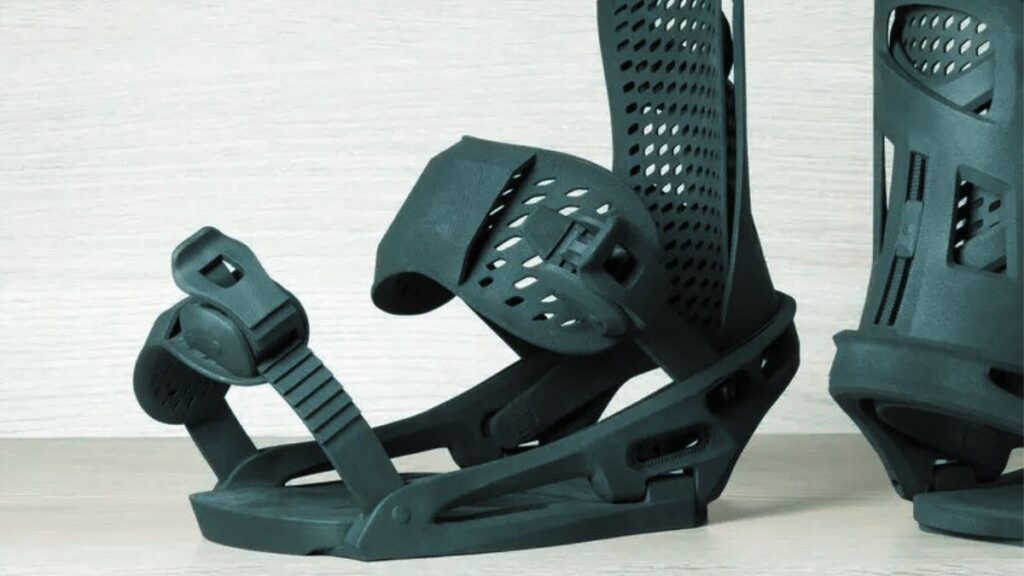
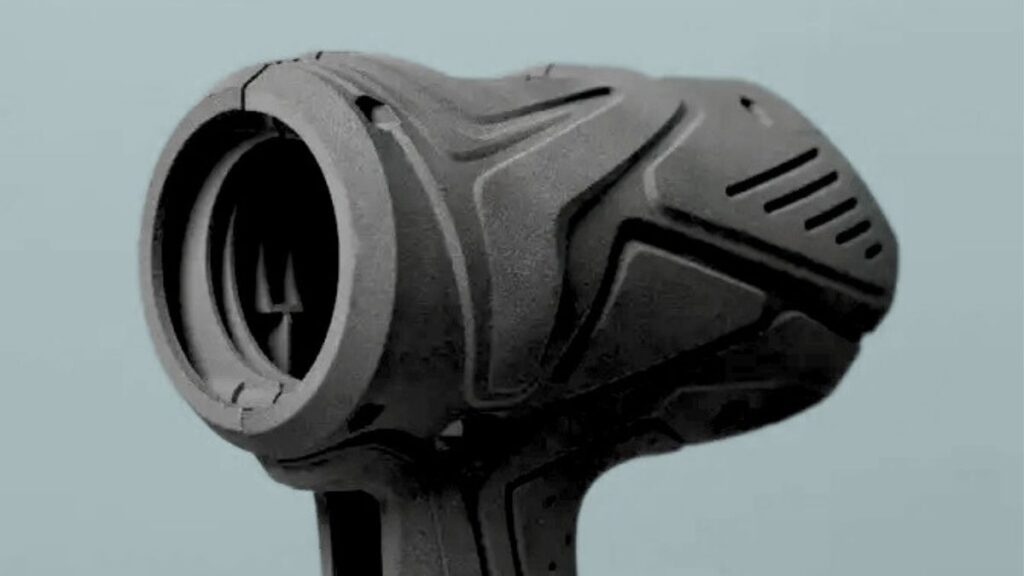
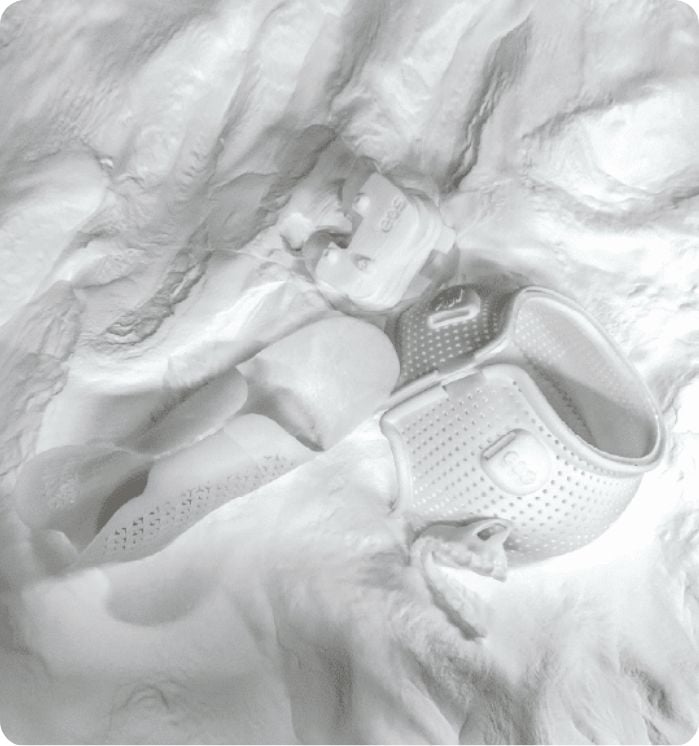
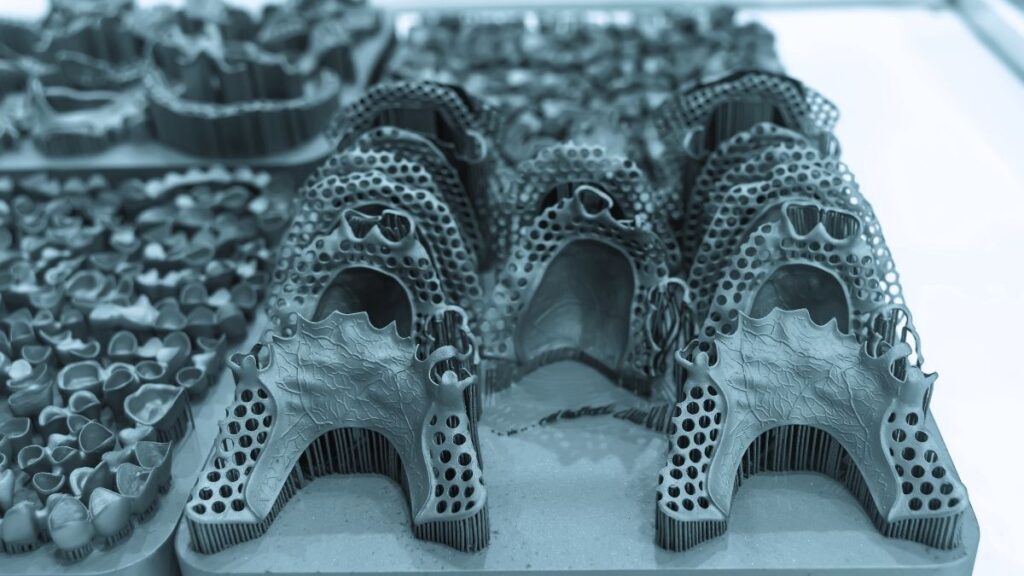
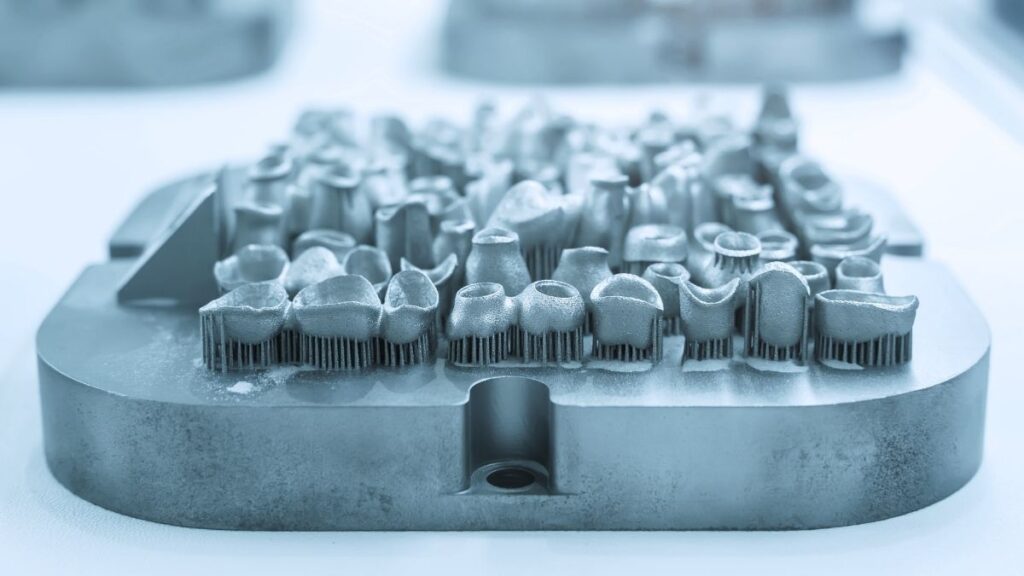
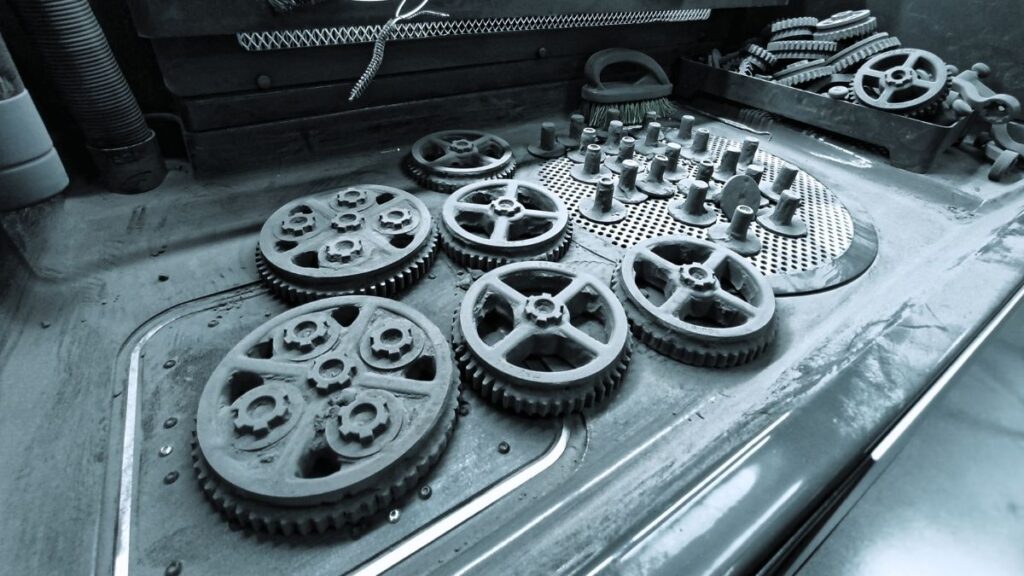
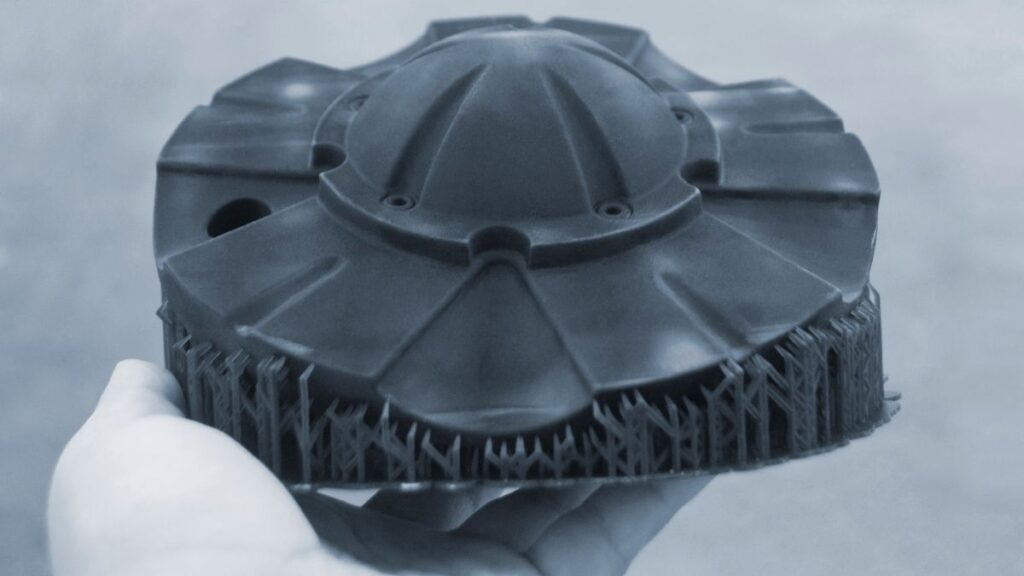
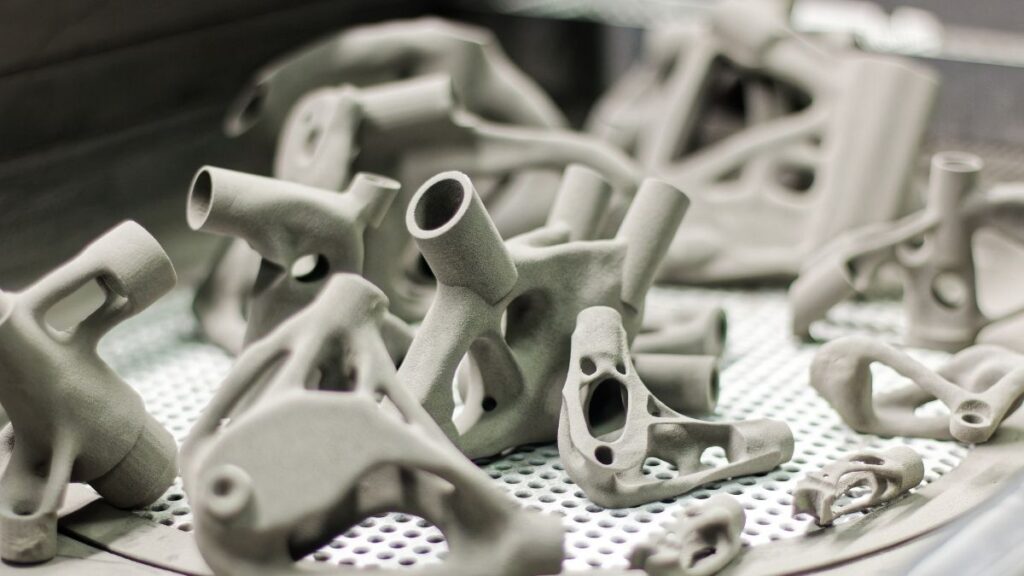
Selective laser sintering (SLS) parts boast both mechanical strength and aesthetics. It fuses nylon powder layer by layer with a laser, producing tough, functional parts with excellent feature definition and no support structures.

SLS 3D printing is a go-to for rapid prototyping and production
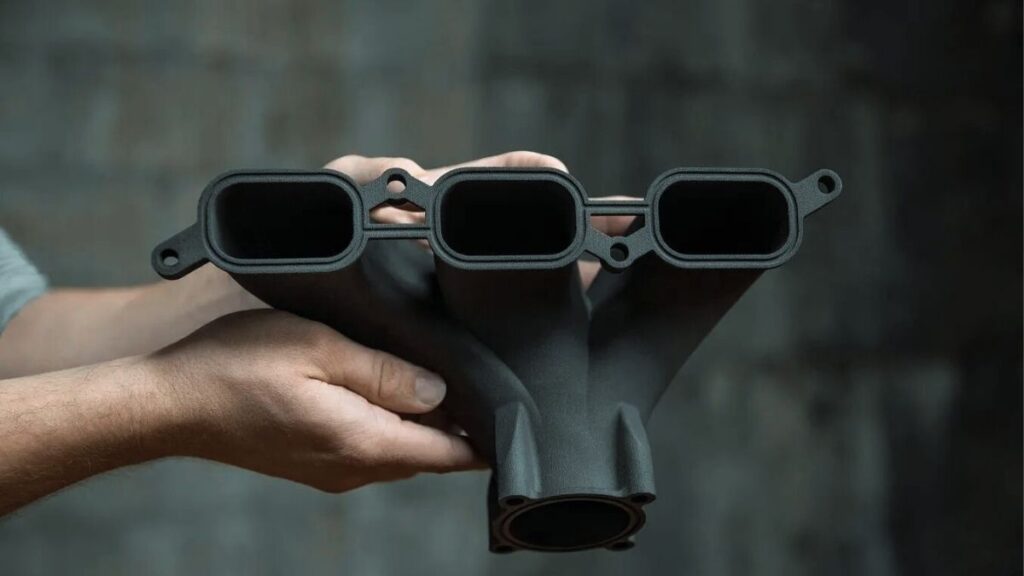
parts such as snap-fits, living hinges, enclosures, brackets, and
ducts.

What is SLS Ideal For?

  • Functional prototypes
  • Short-run and bridge production
  • Complex geometries that benefit from no-support fabrication
    (such as lattice or patterns)
  • Assemblies that need consistent fit, finish, and repeatability

Common SLS Applications

Snap-Fit Housings, Clips,
& Brackets

Robot End-Effectors &
Protective Covers

Ducting, Manifolds, & Lightweight
Structural Components

Jigs, Fixtures, & Test Tooling
for Validation Builds

Medical Instrumentation Enclosures
(Non-Implanted)

At a Glance: Advantages
vs. Other Processes

At A3D Manufacturing, we recommend the right process — not just
the one available. If another process gives you better cost, weight, or
speed, we’ll advise it and handle the transition from prototype to
production.

SLS advantages include:

  • Functional Nylons (PA12/PA11): durable, fatigue-resistant,
    and dimensionally stable
  • Design Freedom: internal features and nested assemblies
    without support scars
  • Batch Efficiency: cost-effective for multi-part builds and shortrun production
  • Surface Finishing Options: from natural bead blast to dyed and
    smoothed

Our Capabilities & Technical Specifications

Lead Times

  • Standard: 4-6 business days
  • Expedited: as soon as 2 days

Accuracy

  • +/- 0.012 in/in or +/- 0.003 in/in, whichever is greater

Layer Thickness

  • 40 μm

Minimum Wall Thickness

  • 1 mm (0.040 in)

Min. Clearance Assemblies

  • 0.5 mm (0.020 in)

Minimum Feature Size

  • 0.7 mm (0.030 in)

Minimum Hole Diameter

  • 1 mm (0.040 in)

DFM Review

From durable prototypes to end-use nylon parts, our engineers help you select the right powder, optimize designs for strength and accuracy, and finish parts to spec.

We review geometry, wall thickness, feature size, and orientation to meet functional and cosmetic requirements. Critical features and special inspections are available on request.

Materials We Offer

Nylon Materials

Nylon PA 12 – White

TPU 88A

Nylon PA 12 – GB (glass bead)

Nylon PA 11

Finishes

Standard (natural white)

Dye Black

Vapor Smoothed

Quality & Compliance

AS9100 • ISO 9001:2015 • ITAR Registered

We apply rigorous certification standards to every project, ensuring you receive the highest quality products on time, everytime. You can expect your parts to route through A3D headquarters in Phoenix, Arizona, for final QA – no blind dropshipping – so you get predictable outcomes with documentation when needed.

Why this matters to you

  • Engineers: tighter control, fewer surprises, faster validation
  • Startups: scalable production without new vendor risk
  • Supply Chain: traceability, documentation, and consistent delivery from a single accountable partner

Common SLS 3D Printing FAQs

What tolerances can you hold with SLS?

Typical SLS tolerances are suitable for functional prototypes and many production applications. You can use
your drawing for critical features. For the tightest interfaces, we’ll recommend post-machining or an
alternative process. We can advise on which approach meets spec.

What’s the typical lead time?

Our typical standard lead time is 4 to 6 days. For expedited lead times, we can deliver in as little as 2 days.

Which materials do you offer?

We offer nylon PA 12 (white), nylon PA 12 GB (glass bead), nylon PA 11, and TPU 88A. We’ll guide material
selection based on your application and environment.

Can you dye or smoothie SLS parts?

Yes, we offer finishing options per the current SLS specs (e.g., media tumble, dye, and smoothing where
available).

Can you help me choose betwen SLS, MJF, FDM, or CNC?

Absolutely! We’re process-agnostic and will recommend the method that best meets your requirements.

Do you support regulated programs?

Yes, we support regulated programs and maintain full documentation, traceability, and quality compliance.
We are AS9100, ISO 9001:2015, and ITAR-registered. We also document the QA and HQ final inspections to
help you meet compliance requirements without surprises.
Can I choose a different infill percentage?

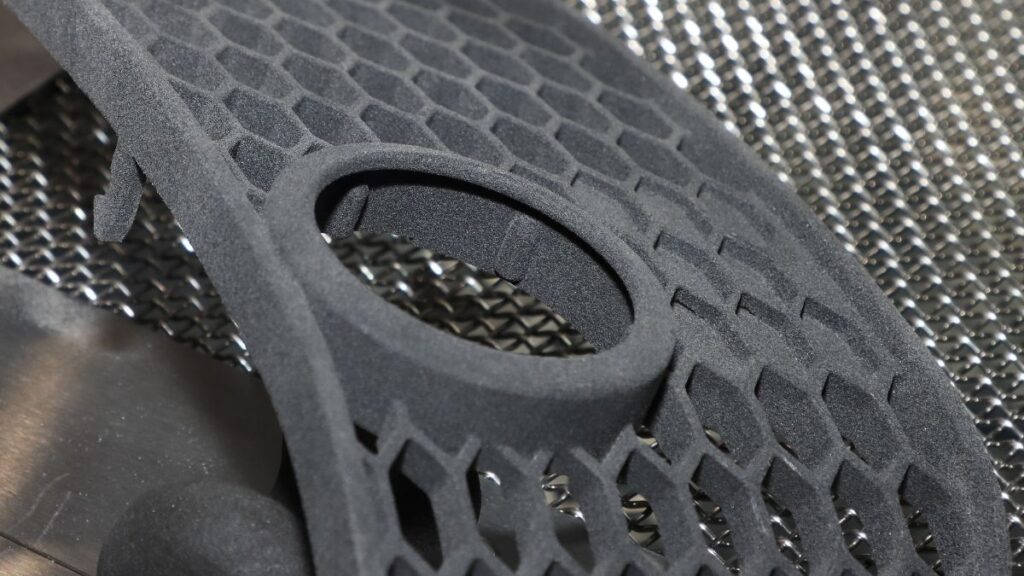
Unfortunately, no. The SLS process does not produce parts with different infills. Instead, it produces the part
exactly as specified in the CAD file, with 100% infill.

FDM/FFF 3D printing processes are the only processes that allow for different infill percentages unless it is
designed in the part.

How can I optimize dense parts for SLS 3D Printing?

Oftentimes, large, dense parts result in longer print times, greater material consumption, and surface defects.
You can optimize them by adding a shell or hollow feature (about 2-3 mm) to these parts.